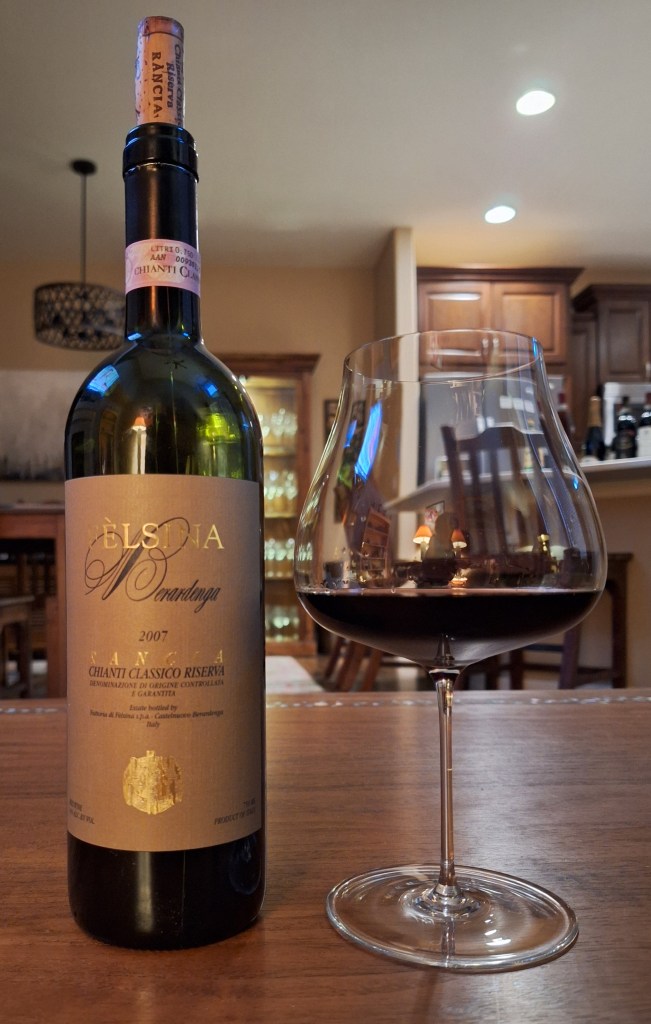
2007 Fèlsina, Chianti Classico Riserva DOCG, Rancia (RT96+) With a deep brooding ruby russet hue, the 2007 Rancia reveals thunderous notes of black cherry liqueur, black plum, dried brambles, dark roast coffee, smoked meat and dusty florals. Built on an impressive wall of structure, the palate delivers sumptuous, sexy and ripe fruit that weighs densely on the mouthfeel, but bright, beautifully integrated acidity and ripe, suave tannins complete a magnificent package. Rancia remains a superstar with a super masculine power curve. This is showing exceptionally well at age 17 and will only get better and more expressive in the next decade. In a word, superb! The first vintage of Rancia shifting from Chianti Classico Riserva to Gran Selezione is 2021. Drink now-2042+ Tasted January 2025
Located in south-eastern Chianti Classico in the municipality of Castelnuovo Berardenga, Fèlsina covers 350 hectares (865 acres) boasting a variety of microclimates, landscapes, terrains and terroirs. They have 130 hectares (321 acres) of vines planted, and in those vineyards, characterized by diverse soils and microclimates, each site expresses unique, individual qualities.
Fèlsina dates to 1960 and they released their first wine – a Chianti Classico – in 1966. First managed and run by Giovanni Poggiali, in 1983 they brought in one of the leading consulting oenologists of the day, Franco Bernabei, to implement a program of mass selection that allowed them to find the very best of the different Sangiovese crus growing on their property. That marriage of grape variety and terroir has proven an inseparable element of both the past and future of Fèlsina. The director of the estate is Giuseppi Mazzocolin, who has a long history with Fèlsina. Their passion is Sangiovese, and they embrace it like holy grail. Also known as Sangioveto – the original Tuscan word – takes its birth from the extraordinary variety of clones that have evolved here due to a combination of variables-different soils and microclimates. These clones constitute a distinctive heritage to hand down to future generation.
The Rancia vineyard takes its name from the historic Rancia farmhouse, once a Benedictine monastery. Located in Castelnuovo Berardenga it has a fine southwest-facing exposure. The soil is composed of limestone-derived alberese classic to the Castelnuovo Berardenga area and of galestro marl in some areas. The more recent plantings utilize genetic material from massal selections gathered from the old Rancia vineyard.
Rancia is, together with Fontalloro -their iconic super Tuscan bottling – were first bottled in 1983. Since then, they have together expressed the vision that Fèlsina has of the Denomination and its Sangiovese passion. Exclusively hand harvested, generally starting in the first weeks of October from the selection of the vineyards of the eighties which were conducted thorough investigations to identify the parent plants most suitable for the construction of grafting and replanting took place in the early 2000s. After the quality-selected clusters are de-stemmed and pressed, the must is fermented and macerated in stainless steel with punchdowns and pumpovers. The wine goes through indigenous fermentation and then is aged for 18-20 months in new French barriques. Afterward the final blend is assembled, bottled, and ages in glass a minimum of 6-8 months. In recent vintages the production of Rancia is rather sizable at 48,000 bottles annually.